

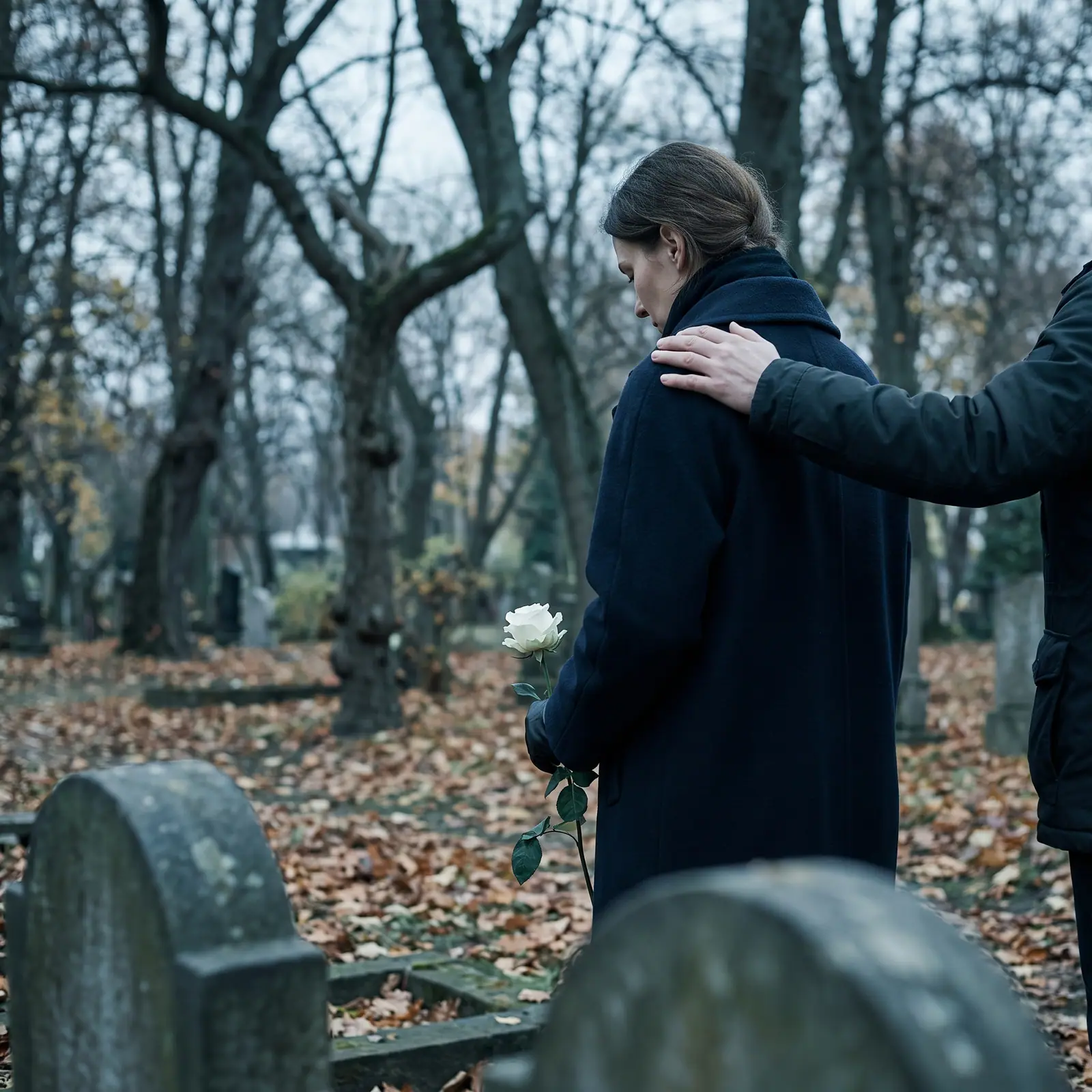
When someone dies because another person or company was careless, New York law lets the family bring a claim for what they lost. Nothing about a legal claim makes the loss smaller. What it can do is hold the responsible party to account, cover the bills that follow a death, and replace some of the support the family counted on.
We handle these cases quietly and at the family’s pace. The practical steps below are here so you know what the process looks like before you decide anything.
Two claims can come from one death
New York recognizes two related claims when a death is caused by someone else’s negligence.
The wrongful death claim (EPTL §5-4.1) is brought for the family. It covers what the family lost because the person died: the income and support they would have provided, the household services they gave, and the medical and funeral expenses the family paid.
The survival claim (EPTL §11-3.2) is brought for the estate. It covers what the person themselves went through between the injury and death, including conscious pain and suffering, and the medical costs of that time.
Both claims are usually brought together, in one case, by the same representative.
Who brings the claim
Only the personal representative of the estate can file. If the person left a will, that is usually the executor named in it. If there was no will, the Surrogate’s Court appoints an administrator, most often a spouse or an adult child.
For families in Queens, that court is the Queens County Surrogate’s Court at 88-11 Sutphin Boulevard in Jamaica. You do not need to have the estate open before you call us. Petitioning for appointment is often the first thing we do, and in some cases the court can issue limited letters that allow the representative to bring the lawsuit while the rest of the estate is settled.
The money recovered for the wrongful death claim is divided among the family members the law names, following EPTL §5-4.4, under the supervision of the court.
What a claim can include
Every family’s losses are different. A wrongful death claim can include:
- The income the person would have earned and the support they would have given the family
- The value of the care, guidance and household work they provided, such as childcare, cooking and home repairs
- Medical expenses from the injury
- Funeral and burial expenses
The survival claim adds the person’s own pain and suffering before death, where the evidence shows they were conscious of it. Medical records, first-responder reports and witness accounts help establish what happened in that time.
Where the money comes from
In most wrongful death cases, the recovery comes from insurance. Depending on how the death happened, that can include:
- The liability policy of the driver, property owner or company responsible
- Commercial policies carried by trucking companies, contractors, taxi and rideshare operators
- The supplementary uninsured and underinsured motorist coverage (SUM) on the person’s own auto policy, when the other driver’s coverage is too small
- New York no-fault insurance, which pays the person’s medical bills and lost earnings up to $50,000, plus a separate $2,000 death benefit, when the death followed a motor vehicle accident
We look for every available policy at the start, because a single policy may not be enough to cover what the family lost.
Deadlines
Two years in most cases. A wrongful death lawsuit generally has to be filed within two years of the date of death (EPTL §5-4.1). When a City agency, NYCHA or the MTA is involved, a notice of claim is due within 90 days of the representative’s appointment.
Because the representative has to be appointed before the case can be filed, the estate process and the deadline run together. Calling early leaves time for both. We confirm the exact deadline for your family’s situation at the first conversation.
When there is also a criminal case
If a driver or company faces criminal charges for the death, that case is brought by the District Attorney and runs on its own schedule. The family’s civil claim is separate. It does not wait for the criminal case, its deadlines keep running, and it uses a lower standard of proof. A civil claim can succeed even when there is no criminal conviction.
Cases that lead to wrongful death claims
Wrongful death claims arise from the same kinds of accidents as other injury cases:
- Car and truck crashes, including crashes with rideshare vehicles, taxis and City vehicles. See our car and truck accident page.
- Pedestrians and cyclists struck by vehicles. See our pedestrian and bicycle page.
- Falls and falling objects on construction sites, where New York’s Labor Law can apply. See our construction accident page.
- Falls and other accidents caused by dangerous conditions on property. See our slip and fall page.
What families can do now
There is nothing you need to decide this week. A few practical steps protect the claim while you take care of your family:
- Order several certified copies of the death certificate. The court, insurers and banks each ask for one.
- Keep every hospital, ambulance and funeral bill, and any receipts for travel and other costs.
- Keep the person’s recent pay stubs and tax returns, which show the income they provided.
- Do not give a recorded statement to any insurance company, and do not sign a release.
- Write down what you know about the accident and who was there, while it is fresh.
- Call us when you are ready. The first conversation is free and carries no obligation.
How we work with families
You have direct access to your attorney and our team throughout your case, and we explain each step before it happens, from the estate petition to any settlement. Every decision about the case, including whether to accept an offer, belongs to the family. You can speak with our office in English, Spanish or Russian, and there is no fee unless we recover money for you.